
Cleaning and repainting a faded garden statue

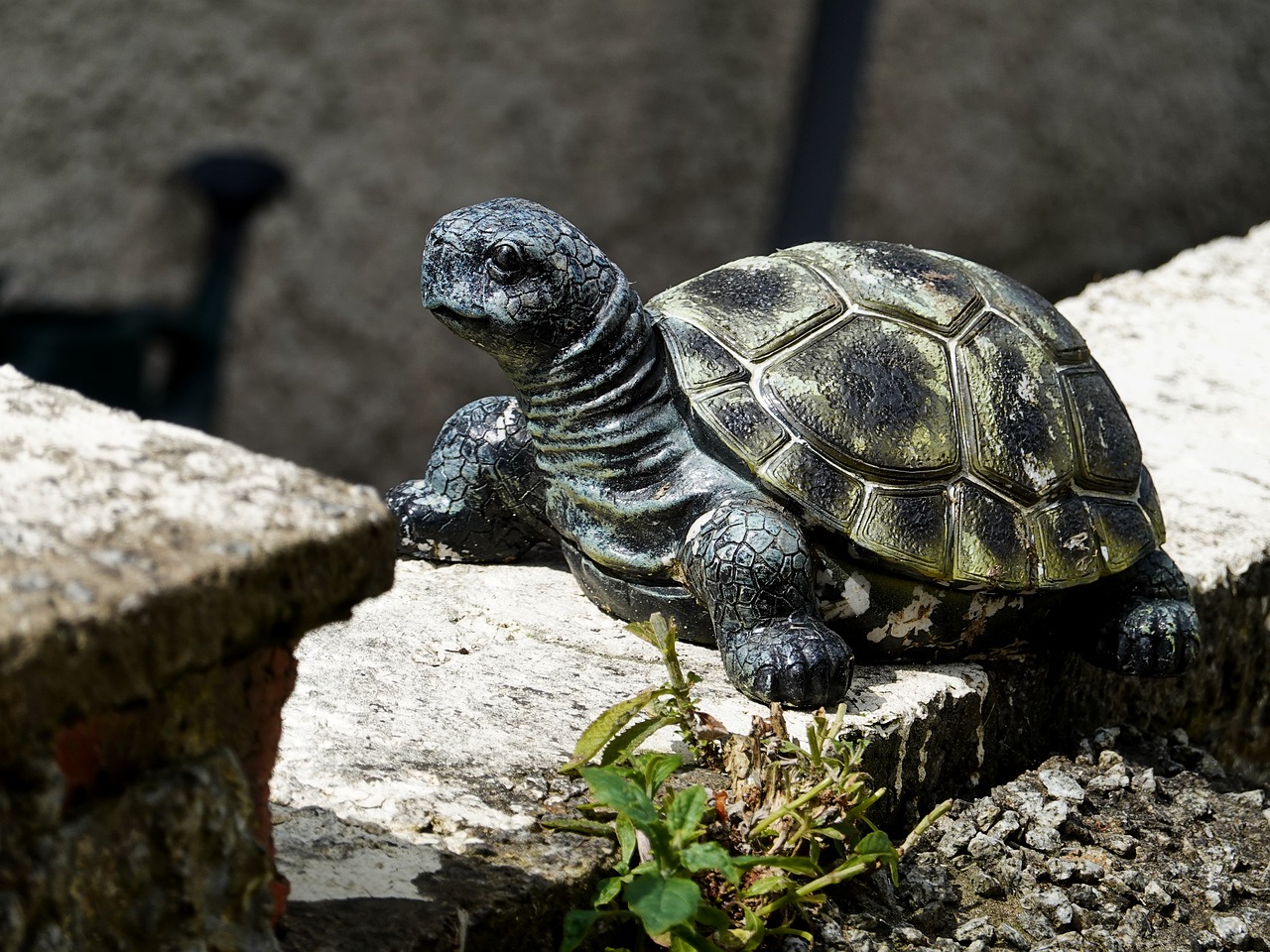
Cleaning and repainting a faded garden statue
A resin garden ornament that has spent three summers outdoors will be faded, probably a little green in the crevices, and possibly chalky to the touch. All three are fixable in an afternoon, and the piece will look close to new.
Cleaning first
Nothing sticks to a dirty surface, so this stage decides the result.
Loose dirt — a soft brush and warm water with a little washing-up liquid. An old toothbrush gets into the detail around a face or a beard, which is where dirt collects.
Green algae — the standard treatment is a dilute bleach solution, roughly one part household bleach to nine parts water, applied, left ten minutes and scrubbed off. Rinse very thoroughly.
Wear gloves, keep it off planting, and do not do this next to something you care about — bleach runoff kills grass.
Chalky resin — a white powdery surface is UV-degraded resin. Wash it off; the chalkiness will return unless the piece is sealed, which is covered below.
What not to use
A pressure washer. It will strip paint, blast detail off soft resin, and force water into any crack. Every professional restorer’s first rule is no pressure washer on painted resin.
Wire brushes and abrasive pads. They scratch resin and remove the paint you are trying to keep.
Solvents. Acetone and paint thinner attack resin itself, not just the paint on it.
Let it dry completely
Two full days in dry weather. Hollow ornaments hold water inside, and a piece that feels dry outside can still be wet within.
Paint applied over damp resin lifts within a season. This is the step people rush and it is the reason repainting fails.
Repainting
Exterior acrylic paint is the right choice: it adheres to resin, it is flexible enough to move with the material, it cleans up with water, and it comes in every colour.
Artists’ acrylics work perfectly well for detail and are what most people use for faces and small features. Small sample pots of exterior masonry paint cover larger areas economically.
A few practical points:
- Thin coats, dried between. Two thin coats look better and last longer than one thick one, which cracks.
- Prime only if the surface is very chalky, using an exterior primer suitable for plastics.
- Work light to dark, and leave the fine detail — eyes, buttons — until last.
- Above fifty degrees and out of direct sun. Acrylic will not cure properly below that, and in full sun it skins before it levels.
You do not have to match the original colours. A repaint is a chance to do something better than the factory did, and a matte finish usually looks more convincing on a garden figure than the original gloss.
Sealing, which is the step that matters
This decides whether the work lasts one season or five.
Use a clear exterior varnish with UV protection, in matte or satin. Gloss looks plastic on a garden figure and shows every imperfection.
Two or three light coats, allowed to dry fully between. Cover everything including the underside, because the base is where water gets in.
Spray varnish is easier on detailed pieces than brushing, which pools in the crevices.
Chips and cracks
Small chips in resin fill with exterior wood filler or a two-part epoxy putty. Sand smooth when cured, then paint over.
A crack all the way through a hollow piece needs the two sides bonded with epoxy adhesive first, held while it cures, then filled and painted.
Clear the drainage hole in the base while you have the piece upside down. A blocked hole means the ornament fills with water and freezes solid in winter, which is what caused the crack in the first place.
Solar pieces
Mask the solar panel and the light lens completely before painting. Paint or varnish on a panel reduces its output permanently, and there is no way to clean it off without damaging it.
Take the battery out before starting, and put it back after everything has cured.
How often
A sealed, repainted piece in this climate will hold up for three to five years before it wants doing again. An unsealed one fades noticeably in one or two.
The seal is doing most of the work. If you only have time for one thing, seal the existing paint rather than repainting without sealing.
Where to look
Newer pieces in resin, which is the material that repaints best, are on the funny and novelty gnomes and garden gnome statues pages. Lit pieces are at solar gnomes with lights, and indoor figures that never need any of this are under gnome figurine sets.