
A short history of the garden gnome

A short history of the garden gnome
The garden gnome has a documented history, a great deal of folklore attached to it, and a surprising amount of nonsense repeated as fact. This is what is actually established.
German origins
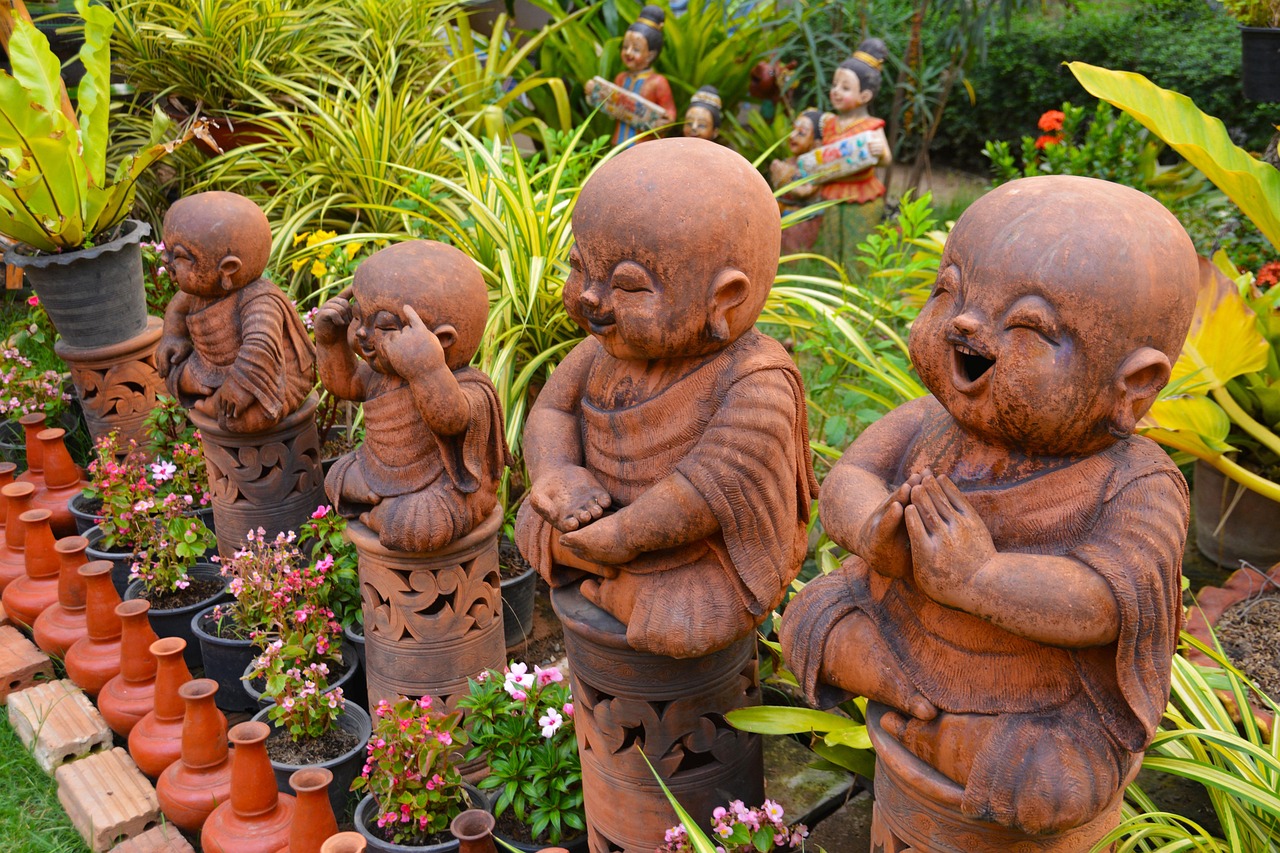
The immediate ancestor is the German Gartenzwerg, garden dwarf, produced as terracotta figures in Thuringia from the mid nineteenth century. Two towns in the region, Gräfenroda among them, became centres of the trade and remained so for a century.
The figures drew on older European folklore about small underground beings associated with mining and with the earth — a tradition that long predates the ornament and that gave the figure its pickaxe, lantern and pointed cap.
Behind that lies the mid-sixteenth-century writing of Paracelsus, who used the word gnomus for an earth-dwelling elemental. Whether the word was his invention is disputed.
The English importer
The best-documented moment in the history is Sir Charles Isham, who brought terracotta figures from Germany to his estate at Lamport Hall in Northamptonshire in the 1840s and placed them in a rockery.
One of those figures survives and is generally described as the oldest garden gnome in Britain. It has a name — Lampy — and it is displayed at the house.
What followed is ordinary commercial history: the figures were fashionable, English manufacturers began producing their own, and by the early twentieth century they were common across northern Europe.
The wars
German production largely stopped during both world wars, and much of the industry did not return afterwards. Manufacturing moved elsewhere, and the material moved with it — from terracotta to concrete, then to plastics and finally to the polyresin that almost all modern figures are made of.
The change in material is the reason a modern gnome survives outdoors far better than a Victorian one did.
The Chelsea ban
The Royal Horticultural Society banned “brightly coloured mythical creatures” from the Chelsea Flower Show, and enforced it for decades. The ban was lifted for the show’s centenary in 2013, when a number of designers took the opportunity, and reinstated afterwards.
The episode is genuinely revealing about how these objects are regarded: not as bad design but as the wrong class of object, which is a judgement about taste rather than about gardening.
Gnoming
The practice of removing gnomes from gardens and returning them with photographs from elsewhere, sometimes under the name of a “liberation front”, is real and has been reported for decades in several countries. It is theft, and it is also the reason garden gnomes appear in newspapers more than any other ornament.
What is not documented
Two claims are repeated constantly and neither has a solid source.
That garden gnomes were originally placed to guard crops or ward off harm. There is folklore linking small earth-beings with mines and with protection, and no evidence that Victorian buyers placed the ornaments for that purpose. They bought them because they liked them.
That a red pointed cap denotes something specific. It follows the traditional dress of European folklore figures and, plausibly, the felt caps worn by miners. There is no documented code.
We mention this because a shop selling these things is exactly where invented history tends to appear, and we would rather it did not appear here.
Why they have lasted
Two centuries is a long run for a decorative object, and they are still made in numbers.
Part of it is that they are cheap, weatherproof and require nothing. Part of it is that they are unpretentious in a way that gardens, which can be very pretentious, benefit from.
And part of it, honestly, is that they are funny — deliberately so in the modern range, where the drinking, sleeping and generally badly behaved figures far outsell the traditional fishing gnome.
The modern shelf
What is on a shelf now is not what was on one in 1870. Solar lighting, seasonal figures for indoor display, tomte and elf figures from Scandinavian tradition, and a strong line in gnomes doing things no Victorian would have modelled.
All of it descends from a terracotta figure in a Thuringian workshop, which is a reasonable thing to know about an object standing in your yard.
Where to look
Traditional figures are on the garden gnome statues page. The modern comic ones are under funny and novelty gnomes, lit versions at solar gnomes with lights, and the Scandinavian-style tomte and seasonal sets at gnome figurine sets.