
Arranging garden ornaments so they look deliberate

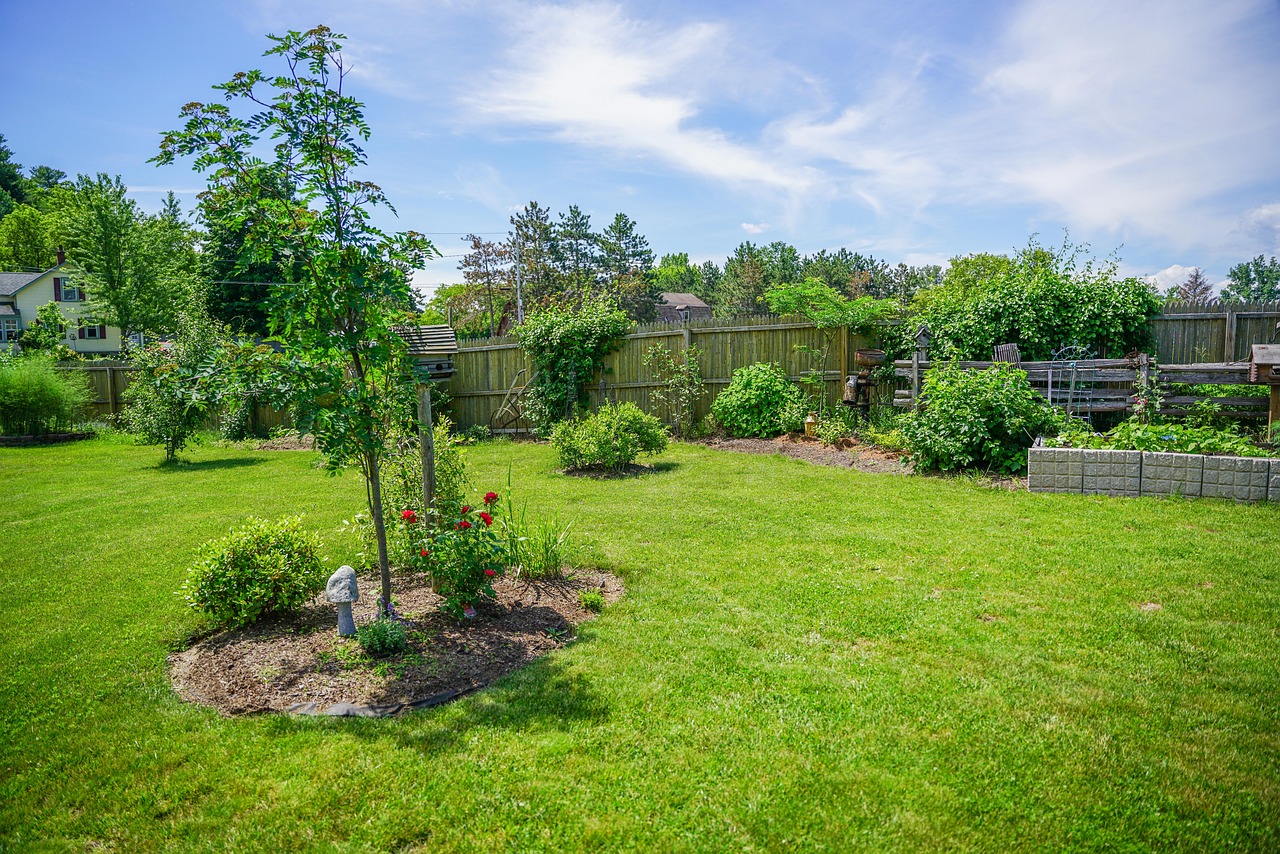
Arranging garden ornaments so they look deliberate
Garden ornaments get a bad reputation from placement rather than from taste. The same three gnomes can look charming or look like clutter depending entirely on where they stand.
Discovery beats display
The single most useful principle: an ornament is more effective when it is found than when it is presented.
A gnome in the middle of a lawn is a statement, and it has to carry the whole yard on its own. The same gnome half-tucked at the base of a shrub, visible from the path but not from the window, is a small pleasure every time somebody notices it.
Put things at the edges of beds, beside steps, at the turn of a path, under the skirt of a shrub. Let the planting frame them.
Group in odd numbers
Three objects read as an arrangement. Two read as a pair that has lost something. Four read as a row.
Within a group, vary the height — one taller, one medium, one low. Equal heights flatten the group into a line.
Keep a group physically close, within a couple of feet, so it reads as one composition rather than three separate things.
Sightlines
Think about where people actually look. The view from the kitchen window, the view from the front door, the view walking up the path.
Place one thing at the end of each of those lines. An ornament at the end of a sightline draws the eye and makes the yard feel arranged; the same ornament off to one side does nothing.
Corners and the ends of paths are the strongest positions in most small yards.
Scale
Match the ornament to the space. A seven-inch figure on an open lawn disappears. A fourteen-inch statue on a small patio dominates.
The rough guide: small pieces need a small setting — a container, a step, the front of a border where they will be seen from a few feet away. Larger pieces can hold an open position.
Height in inches is in every one of our titles for exactly this reason. A seven-inch and a fourteen-inch gnome photograph identically.
The one thing to avoid
Spacing objects evenly around a yard. Evenly spaced ornaments read as a collection being displayed rather than a garden with things in it — and it is the arrangement that produces the “cluttered” impression more than the number of objects does.
Cluster instead. Two or three groups with genuinely empty space between them will hold ten ornaments comfortably. Ten ornaments spaced evenly will look like twenty.
Background matters
A painted resin figure needs something to stand against. Against a dark evergreen, a light-coloured gnome reads clearly. Against a busy mixed border in July it vanishes.
Look at what is behind the spot, not just the spot. And remember it changes: a position backed by a hosta in June is backed by bare soil in November.
Winter, when the planting has gone
Ornaments earn their place most in January. A yard reduced to bare stems and brown ground has almost nothing to look at, and a resin figure by the path is the only thing with colour in it.
Worth planning for: keep at least one weatherproof piece in a position visible from indoors, so it is doing work in the four months when nothing is growing.
Solar pieces, placed twice
A lit ornament has to satisfy two conditions at once: sun during the day and somewhere useful to be at night.
The sun requirement wins, because a lit gnome that has not charged is just a gnome. Find the sunny positions first, then choose which of them looks best after dark.
Containers and steps
Small figures work well in a large planter, tucked at the base of the planting. It raises them to eye level, gives them a clean background, and they are protected from mowers and strimmers.
Steps and low walls are the other easy win — an ornament at the side of a step is at the right height and is noticed by everyone who uses it.
Practical placement notes
- Keep ornaments back from the mower line, or trimming becomes a job around them.
- Raise anything sitting on soil so the base is not in mud all winter.
- Do not put resin in the hottest, most exposed spot if you can avoid it — UV fades paint fastest there.
- Anything on a slope needs a level pad, or it leans within a season.
Where to look
The full range with heights in inches is spread across four pages: garden gnome statues for the classic figures, funny and novelty gnomes for the ones that reward being found, solar gnomes with lights for path lighting, and gnome figurine sets for the small indoor pieces.